

AI Music & Lyrics
Uncensored AI Music: No-Filter Lyrics, Jingles & Creative Control
People search for an “uncensored AI music generator” when something has gone wrong: a sung line came back changed, the brand name was mangled, or a bold idea was refused outright. Those are three different problems with three different fixes, and only one of them has anything to do with filtering. This guide separates them, says plainly what Blurbly’s rules cover, and shows how to get real attitude into a brand song without explicit lyrics.
Updated
Model details and live prices →

Work out which problem you actually have
Put the lyrics you typed next to the song you got and listen through once with a pen in hand. Missing lines, repeated lines, invented phrases and mispronounced words are lyric-fidelity problems. They happen with completely ordinary lyrics, and switching to a tool that calls itself uncensored won’t necessarily fix them. Shorter lines, plainer words and another take usually do more.
A quick way to tell what’s going on is to generate the same lyrics twice. If both takes drop or bend the same line, the line itself is the problem, usually too many syllables for the melody or a word that’s awkward to sing, so rewrite it. If the takes go wrong in different places, it’s ordinary variation, and a third take or a shorter lyric will often settle it.
A refusal is a different thing. It comes back as a message, not as a song with a word missing, and it means the provider or Blurbly declined the request, and changing the genre or trimming the chorus doesn’t tell you the content has become acceptable. It only tells you that a different request got through.
The third problem is rights. You want a track that sounds like a particular artist, or a famous chorus with your brand name dropped in. That isn’t about filtering at all, and no setting on any service turns a copied song into one you’re free to use in an ad.
See the scene, hear the result
Visual references and model outputs come from earlier first-party runs. The writing examples below are not transcripts or guaranteed reproductions of these files.
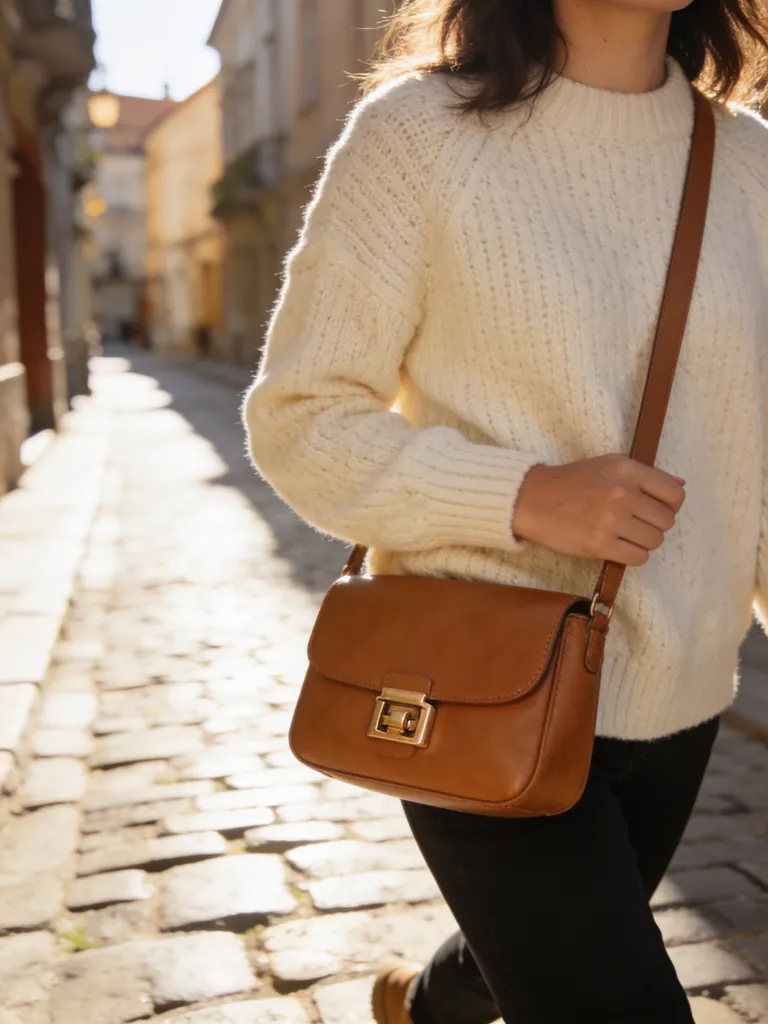
Fashion campaign scene reference
Visual reference: a fashion clip to audition a music hook
Summer-pop instrumental for a sneaker campaign
Sale voiceover for the fictional Tidewick brand
Use the two samples as a baseline
The samples above are a summer-pop instrumental made for a sneaker campaign and a separate spoken sale voiceover for the fictional brand Tidewick. Neither has sung lyrics, so they can’t show you how lyrics are handled. What they do show is the most controllable structure for an ad where every word matters: the music carries the attitude, and a speech model carries the words.
Play the instrumental while you watch the fashion clip reference beside it and ask whether the energy matches the pace of the cut. Then listen to the Tidewick read on its own and notice how much easier it is to judge a spoken line than a sung one. If your bold idea can live as an instrumental plus one spoken line, you’ve sidestepped lyric fidelity entirely, and the line is easier to check now and to change later.
What Blurbly won’t generate, and why rewording doesn’t help
Blurbly’s content policy prohibits sexually explicit material on every route, and it names sexually explicit text specifically, so explicit lyrics are out regardless of genre and regardless of whether the song is presented as fiction. The policy also prohibits reproducing copyrighted works and using trademarks without permission, which covers “make it sound exactly like” requests aimed at a specific song. And it rules out putting words in the mouth of a real, identifiable person.
The same policy treats attempts to get around these rules, through creative spelling, splitting a request into pieces or picking a different model, as a violation in itself. So if a request was refused because of what it asked for, rewording it is the wrong move. If it was lawful and the refusal looks mistaken, describe the real brand context plainly and try once more. If the project genuinely needs content these rules exclude, it needs a different service whose rules fit it, not a disguised prompt here.
Mild swearing is a separate question. The policy is written around sexual content, real people, hate and other harms rather than lists of individual words, so for a curse word in a lyric the deciding factors are the music provider’s own filter and the rules of whatever platform the ad will run on. Test a single line before you build a song around it.
Get attitude from the arrangement, not explicit words
An irreverent café, a nightlife accessory brand or an adult fashion label can sound bold without a single explicit line. Much of a track’s attitude lives in the arrangement: dry, close drums, a bass that sits forward, a half-spoken vocal, a rough guitar, a sudden stop just before the hook. Put those in the style prompt and keep the words simple.
Write your own hook and keep it short. “Late nights, bright mornings / Saltmoor, take the city with you” has a mood, puts the brand name on a strong beat and contains nothing explicit. Double meanings can work if both readings are clean; a line that only works as innuendo is the one to cut first, because its whole point is the reading you can’t publish.
Don’t name an artist or ask for their song with your brand swapped in. Describe what you like about it instead, the tempo, the vocal texture, the rough edges, and let the result be your own.
For a 15-second ad, think in three parts: a second or two of instrumental to set the mood, the hook once with the brand name, and a clean ending under the end card. Ask for that shape in the style prompt, then cut to it in the edit, since the generated track won’t necessarily follow it. Generating two or three short versions of the same hook with different arrangements will teach you more about your brand’s sound than one long song.
Check the song before it goes into an ad
Listen against a printed lyric sheet and tick each word as it’s sung. Watch for added lyrics in particular: a playful improvised line can turn into a claim about health, delivery or product performance that you never wrote and would now have to stand behind. Check the ending as well. An abrupt stop, or a vocal that runs straight over the product reveal, is usually easier to fix by choosing a different phrase in the edit than by regenerating.
For a multilingual jingle, get a fluent listener to check both meaning and pronunciation; a catchy melody hides an awkward translation very well. When you cut the track into the ad, cut between complete phrases rather than through the middle of a sung word. Then play the finished cut on a phone speaker at low volume. If the brand name in the hook disappears under the drums, it will disappear in the feed too; choose a take where the vocal sits further forward, or lower the music under that line.
Finally, rights. A generated track isn’t automatically cleared for every commercial use. Check the terms for the route you used, keep your original brief and lyrics with the file, and make sure you own anything you uploaded. Creative freedom, output quality and permission to use the track are three separate checks, and a no-filter label settles none of them.
Prompt and script examples
Original lyric idea: Late nights, bright mornings / Saltmoor, take the city with you.
Music brief: Sparse indie-pop jingle, dry close drums, warm forward bass, a playful half-spoken original vocal hook. Confident adult fashion mood, no imitation of a specific song or artist.