

MiniMax Music & Speech
MiniMax Music 2.5: Brand Jingles & Multilingual Ad Voiceovers
A jingle earns its place if someone can hum your brand name after one view. MiniMax Music 2.5 on Blurbly can sing lyrics you write or play an instrumental, and MiniMax Speech 2.6 HD reads a spoken offer with speed and emotion controls. For a bakery, a pet boutique or a small cosmetics line, that pair is enough to try out a sonic identity without commissioning a song.
Updated
Model details and live prices →
Write the hook before you open the generator
Write the jingle on paper before any music exists. Decide the one phrase that should survive the ad, usually the brand name plus a feeling, and build two short lines around it. “Morning starts on Crumbly Lane / warm little moments, back again” works because it has one name, one image and a rhyme the listener can see coming. Repeating the name line once is fine. Adding a discount, a delivery time and an ingredient is how a jingle turns into a sung paragraph nobody remembers.
Count syllables and say the lines out loud with a clap on each beat. The brand name should land on a stressed beat, not get squeezed between two quick words. Unusual spellings are the risk here: if your shop is called Saoirse & Co, a generated singer has to guess. Test one short line containing the name before you spend a generation on the full jingle, and if it keeps coming out wrong, respell it phonetically in the lyrics.
Mind the length, too. Two short lines sung at a mid pop tempo last only a few bars, well short of a 15-second ad. If you want the jingle to carry more of the ad, repeat the hook rather than adding a verse: repetition is what makes it stick, and it gives you more chances at a clean take of the brand name inside the same track.
Keep the lyrics original and about your own brand. A line lifted from a famous song or from another company’s slogan, with your name dropped in, is a rights problem, and it borrows recognition you don’t own.
See the scene, hear the result
Visual references and model outputs come from earlier first-party runs. The writing examples below are not transcripts or guaranteed reproductions of these files.
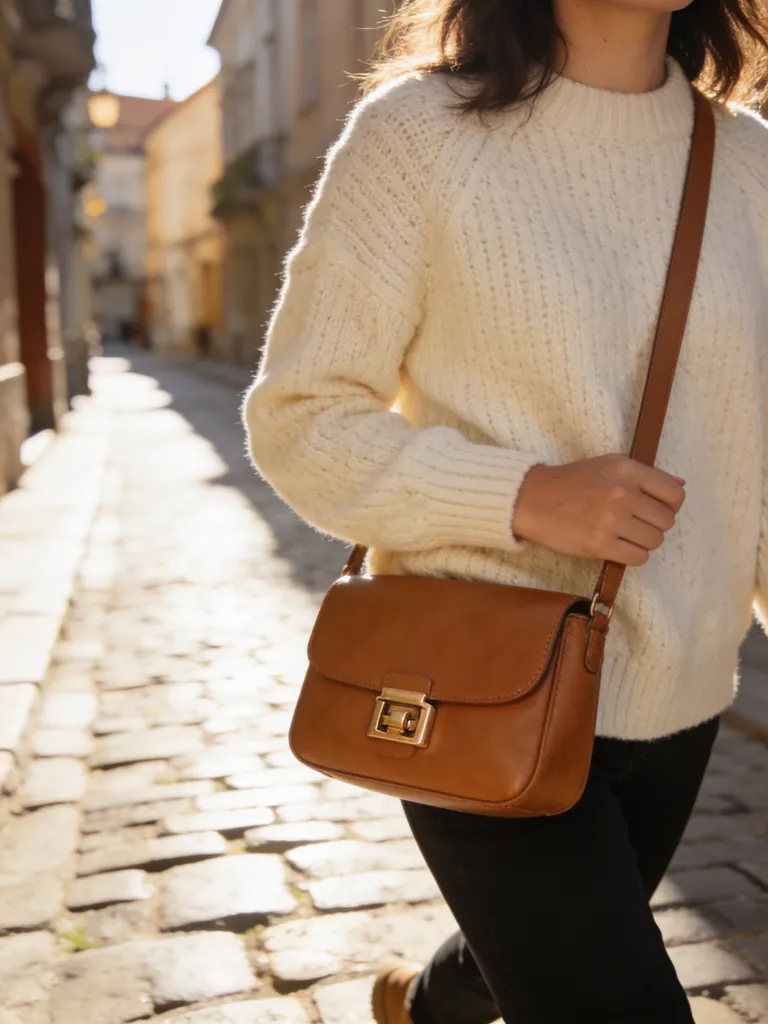
Fashion campaign scene reference
Visual reference: a calm product reveal for a different music direction
Summer-pop instrumental for a sneaker campaign
Sale voiceover for the fictional Tidewick brand
What the two samples above can and can’t tell you
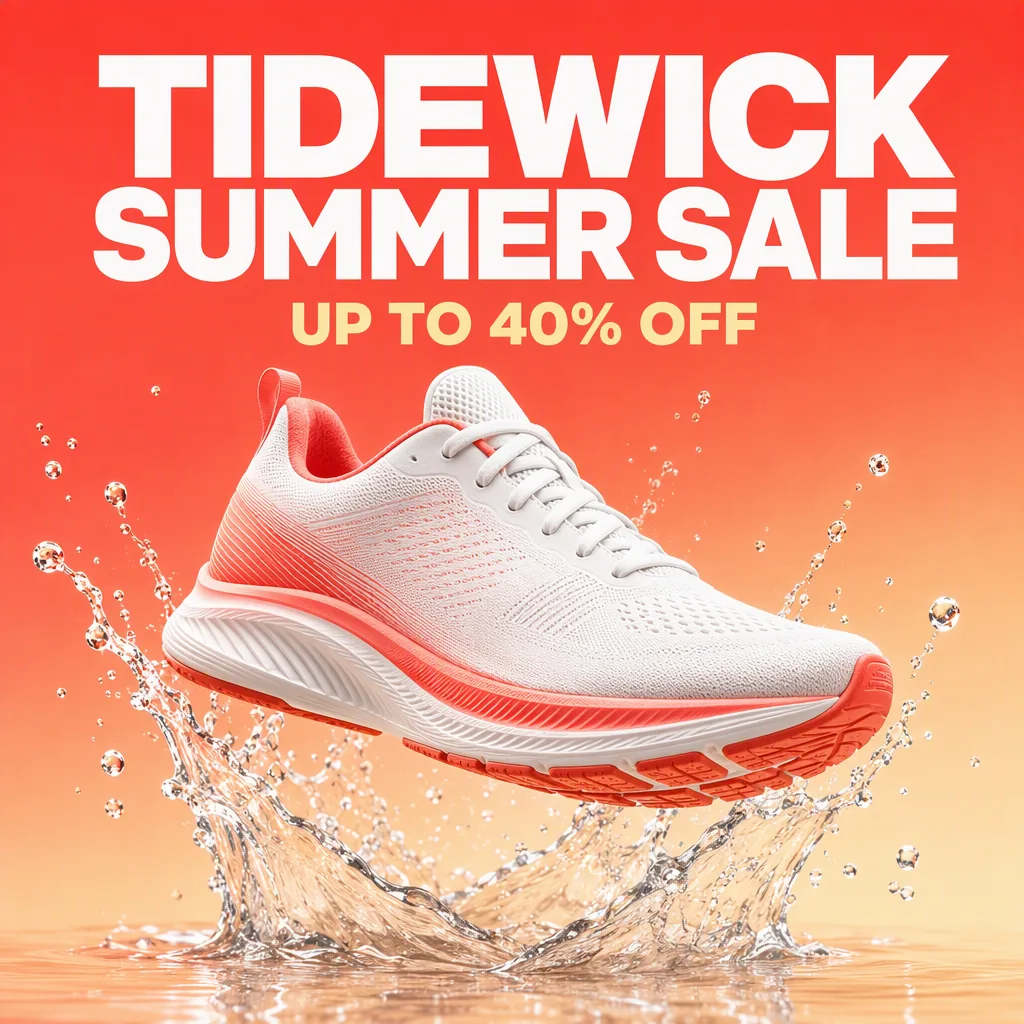
The music sample is a summer-pop instrumental made for a sneaker campaign, and the second file is a sale voiceover for the fictional brand Tidewick. There’s no sung jingle among them, so they can’t show you how MiniMax handles your lyrics. What they do show is the split this guide recommends for any ad built around an offer: an energetic bed for pace and a separate spoken read for the words.
With the instrumental, tap along and find where the phrases start and end. Mark two or three of those points as places where a 15-second edit could begin or finish, and notice whether the track has a lift that could carry a product reveal. With the Tidewick read, listen to how a made-up brand name is pronounced, whether the read sounds like a sale announcement or like someone reading a list, and how much air sits between sentences. Those are the same three checks you’ll make on your own take.
The lyric examples further down this page are writing samples, not transcripts of these files. To hear how a sung version of your own hook comes out, the only real test is one short generation with your words in it.
Keep style instructions out of the lyrics box
Music 2.5 takes the style description and the lyrics separately. Turn instrumental off, put your words in the lyrics field and describe the sound in the style prompt. Anything typed into the lyrics may be sung. “Bright pop, female vocal, 120 bpm, Crumbly Lane chorus x2” belongs in two different places, and if all of it goes into the lyrics you may hear the singer announce the tempo.
The style prompt works as a short brief: genre, tempo, vocal type, two or three instruments and the kind of ending you want. “Playful indie pop, light hand percussion, friendly vocal, clean ending” is plenty. Asking for a clean ending doesn’t guarantee one, but it costs nothing to ask, and a track that resolves is much easier to cut.
Check every take against a printed lyric sheet. Tick each word as it’s sung and mark three kinds of error: missing words, invented words and mispronounced ones, with the brand name checked first. Invented words matter more than they sound. A singer improvising “best in town” or “free today” has just added a claim you never wrote, and it’s now in your ad.
Fit a sung phrase into a 15-second edit
A generated song doesn’t know where your cut ends, and nothing in the generator promises that a given line will land on a given frame. Plan to edit. Listen through the track, pick the cleanest complete phrase that contains the brand name, and build the cut around it instead of trimming the song to a fixed length and hoping.
Line the brand name up with the moment the product is clearest on screen, usually the reveal or the logo shot. Come into the music on a downbeat, let the last note ring over the end card, and fade the tail over half a second or so. If the hook arrives late in the track, start the edit partway in. A jingle doesn’t have to begin with its intro.
Avoid running a sung line under a spoken one. Two voices at once is the quickest way to lose both. If the ad needs a spoken offer, use an instrumental version under the voice and bring the sung hook in only at the end, as a sign-off.
When the jingle is the only sound in the ad, it can sit louder than a background bed would, but compare the sung words with the end-card text. If the singer says one thing and the screen says another, viewers read one and hear the other. Make them match, or put only the brand name on screen.
Use Speech 2.6 HD when the words carry the offer
A restock date, a price or a discount code has to be heard exactly, and a spoken read is far easier to control than a sung one. Write the final script first. Speech 2.6 HD lets you adjust speed and emotion, but treat speed as the last adjustment: if the read feels rushed at normal speed, cut words rather than speeding it up, because a sped-up voice starts to sound like the terms and conditions.
A small pause before the brand name can make a modest launch sound deliberate; try a comma or a full stop in the script to get one. For Spanish or Brazilian Portuguese versions, localise the price format, units and call to action, and let a local speaker decide whether it sounds like a shop in their city or a translated slogan. Generate a one-line pronunciation test before the full take. And re-time the read whenever you change the emotion setting, since a warmer or more excited delivery can change the pace as well as the mood.
On cost, Music 2.5 is the lower-priced music option on Blurbly, but compare the credit quote in the studio for the length and model you actually need. If a jingle takes three attempts to get the name right and another model’s bed works first time, the cheaper route wasn’t cheaper.
Prompt and script examples
Music style: Playful indie-pop brand jingle, light hand percussion, friendly vocal, bright bakery mood, uncluttered arrangement, clean ending.
Original lyrics: Morning starts on Crumbly Lane / Warm little moments, back again.
Spoken script: New colours have arrived at Saltmoor. Find your everyday tote and take a little sunshine with you.