

Kling Video-to-Audio
Kling Video-to-Audio: ASMR Unboxing & Silent Product Ads
An unboxing or a pour looks strangely empty without the sound of paper or fizz, and many generated product videos come back silent. Kling Video-to-Audio takes a clip of 3 to 20 seconds and returns the same picture with a generated soundtrack: effects, plus music if you describe it, with an optional ASMR mode for close textures. For an ASMR ad, the goal is one clear material sound in sync, not a louder soundtrack.
Updated
Model details and live prices →
Trim the clip around one action you can hear
Cut the source down to the action you want to hear, with roughly half a second of stillness before and after it so the sound has room to start and finish. One shot of tissue paper lifting out of a box gives the model one clear event to follow. A montage of five products gives it five cuts to guess at. Shorter clips inside the 3 to 20 second window are also much quicker for you to judge.
Before writing anything, watch the clip muted and make a spotting list: every moment where something touches something else, with a rough timestamp. Fingers on the lid at 0:01, lid slides off at 0:02, paper lifts at 0:04, bottle set down at 0:07. That list becomes both your prompt and your checklist. If a contact isn’t visible, don’t ask for its sound; a loud cap click over a shot where the cap never visibly moves makes the whole clip feel staged.
The picture comes back unchanged, so fix visual problems first. Video-to-audio won’t rescue a blurry pour or a lid that opens just out of frame.
See the scene, hear the result
Visual references and model outputs come from earlier first-party runs. The writing examples below are not transcripts or guaranteed reproductions of these files.
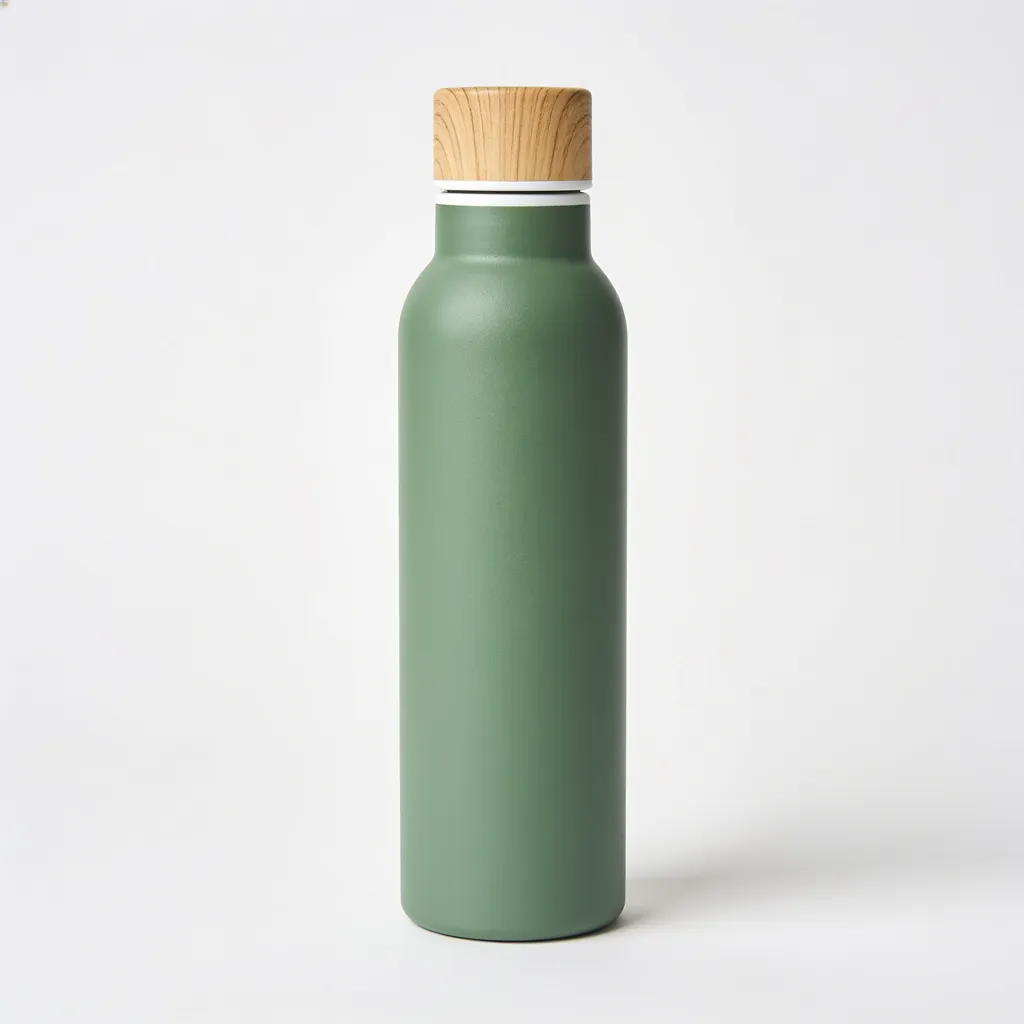
A clean product image before adding motion and sound
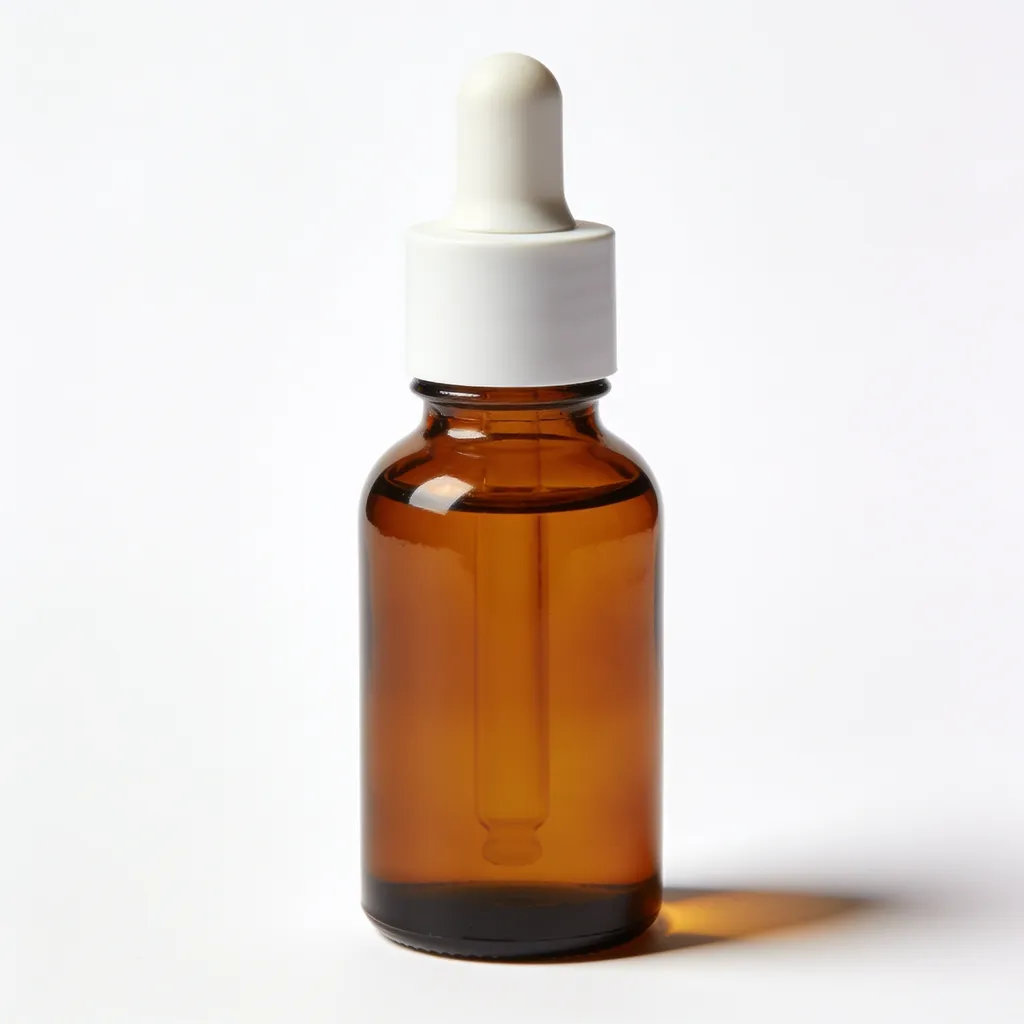
Unboxing reference: glass, cardboard and cap contact
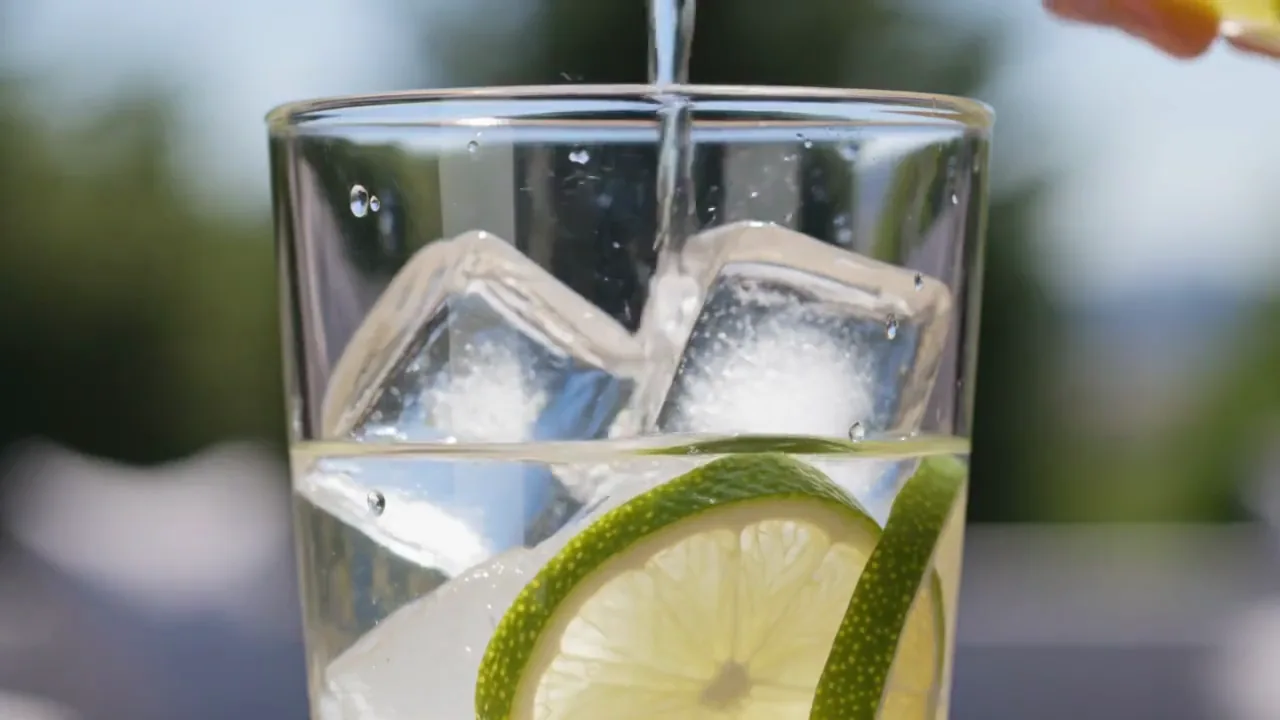
Soda pour: generated fizz, ice and music
Judging the soda pour sample
The sample above is a soda pour, and its caption says the generated track includes fizz, ice and music. Play it once with the sound up and your eyes on the glass. Then play it again and watch only the first moment the liquid hits: does the pour sound start on that frame, slightly before it or slightly after? Repeat for the first ice contact and for the point where the fizz builds. Those three moments are where a mismatch would be most obvious.
When one of your own takes is close but not right, don’t judge it from memory: put the generated clip on your editor timeline above the silent original and scrub through those frames. Seeing the waveform next to the action makes a two-frame error obvious in a way repeated playback doesn’t.
Then listen to the balance. Because this pass includes music, ask whether the fizz is still what you notice or whether the bed is carrying the clip. For a drink sold on refreshment, the texture is usually the point. If you plan to lay narration or your own music over a clip later, describe only the sounds and add “no music” to the prompt, then check whether the result follows it. Music mixed into the same track as the effects is hard to turn down afterwards without losing the fizz too.
The two stills beside the sample are visual references: a clean bottle shot and a skincare unboxing still. Use the second one as a planning exercise. List the sounds that scene would contain, glass, cardboard, a cap, and you already have the start of an ASMR prompt.
Run a blank pass before writing a prompt
Kling can score a clip from the picture alone, so the simplest first draft is no prompt at all. Generate once with the prompt empty and listen to what it assumed. If it hears cardboard where you have cardboard, keep it. If it adds a whoosh, a crowd or a dramatic hit, you now know exactly what your prompt needs to correct.
Say the blank pass on a serum unboxing gives you a good paper rustle but a heavy thud when the bottle meets the marble counter. The prompt then only has to fix that one sound: “dry paper rustle, the glass bottle is set down gently on marble with one light, short tap, quiet room, no music”. Change one thing per pass so you know what made the difference.
When you do write a prompt, build it from material, action and distance. Material: glass, kraft paper, tissue, satin, aluminium. Action: slides, peels, taps, pours, settles. Distance: a close microphone for ASMR detail, a room perspective for ambience. “Dry tissue paper rustles, a cardboard lid slides off, quiet room, close microphone” tells the model more than any amount of “premium, satisfying, viral”.
Say what you don’t want as well. A short closing line such as “no speech, no music, no impact” heads off the additions that would spoil a quiet product clip, and it’s easy to delete if you later decide you want a bed.
When ASMR mode helps and when it hurts
ASMR mode is meant for crisp, close textures: unboxing, pouring, tapping. It suits clips where small contacts are visible and filmed close. It’s a poor fit for a wide lifestyle shot, because magnified small sounds in a wide frame feel detached from what you’re looking at.
ASMR also magnifies mistakes. A paper rustle a few frames late is easy to miss in an ordinary mix and hard to miss in a close, quiet one. Run the same clip twice, once in ordinary mode and once in ASMR mode, with an identical prompt, and compare the two at the same volume. Choose the version where the contacts line up, even if the other sounds richer on its own.
Listen to the quiet parts too. If a close take has a steady hiss or hum running under the whole clip, it will be very audible on headphones. A little air is fine; a constant noise bed means trying the ordinary mode or a different prompt.
Finish the mix for a feed that starts muted
Social feeds start playing videos with the sound off, so the clip has to work silently first: the action readable, the product clear, any offer in captions. Sound is the reward for the people who unmute, and those viewers are listening closely. That argues for restraint. A quiet unboxing with nothing but paper and a cap can be the entire soundtrack.
If you add music in your editor, keep it simple enough that the paper or fizz stays audible, and don’t lean on heavy bass to cover a sound that doesn’t match. Check the result on a phone speaker, since the delicate details that sound lovely on headphones are the first thing a small speaker loses.
For a spoken offer, generate the voice separately with ElevenLabs v3 or MiniMax Speech and lay it over the top; video-to-audio is the wrong place to ask for an exact spoken line. Keep the original silent clip, so you can try a second soundtrack later without rebuilding the edit.
Last, match loudness across your set. If the ASMR clip sits in a carousel or a sequence beside other videos, a clip that is much quieter or much louder than its neighbours makes viewers reach for the volume. Bring it roughly level with the others before you publish.
Prompt and script examples
Close-up unboxing audio: dry tissue paper rustles, a cardboard lid slides off, soft fabric brushes the box. Quiet room, intimate microphone, no speech, no music.
A glass bottle pours sparkling water over ice. Clear liquid splash, small glass clinks, delicate fizz, no dramatic impact or crowd noise.