



Decide what moves and what stays still
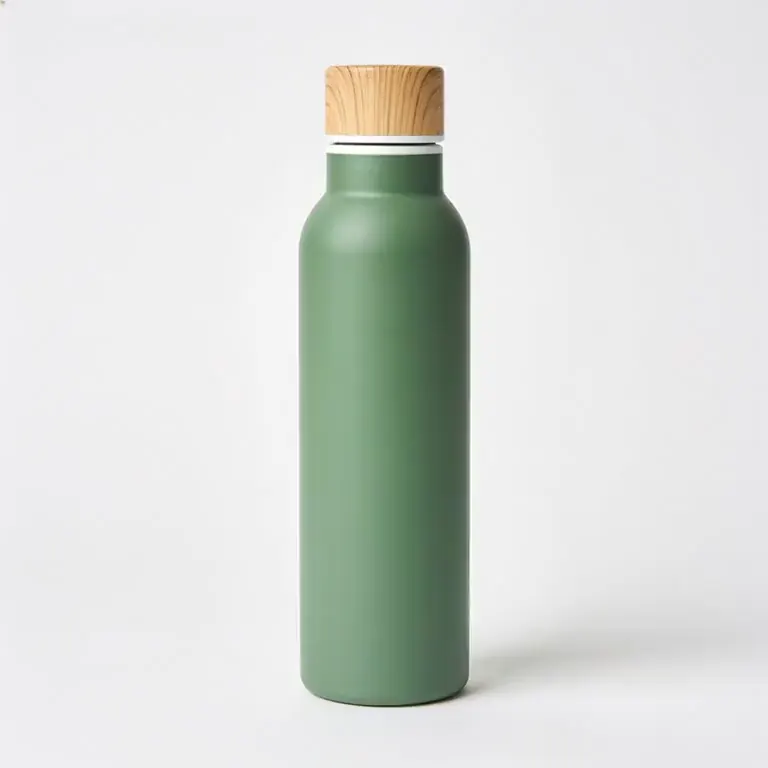
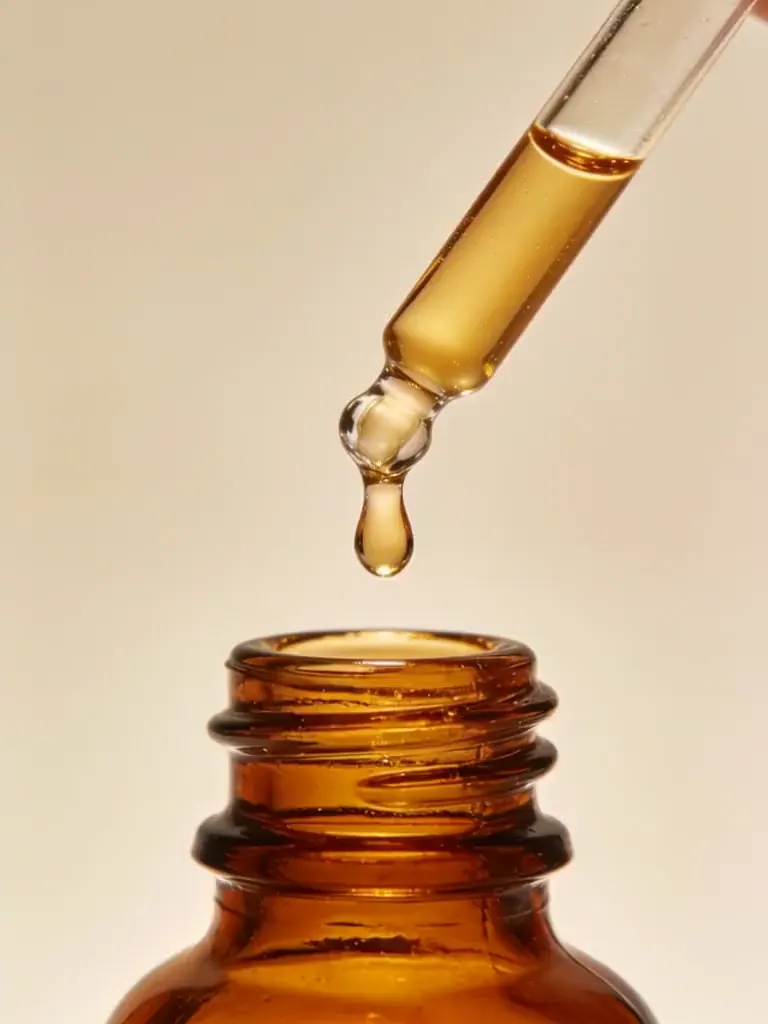
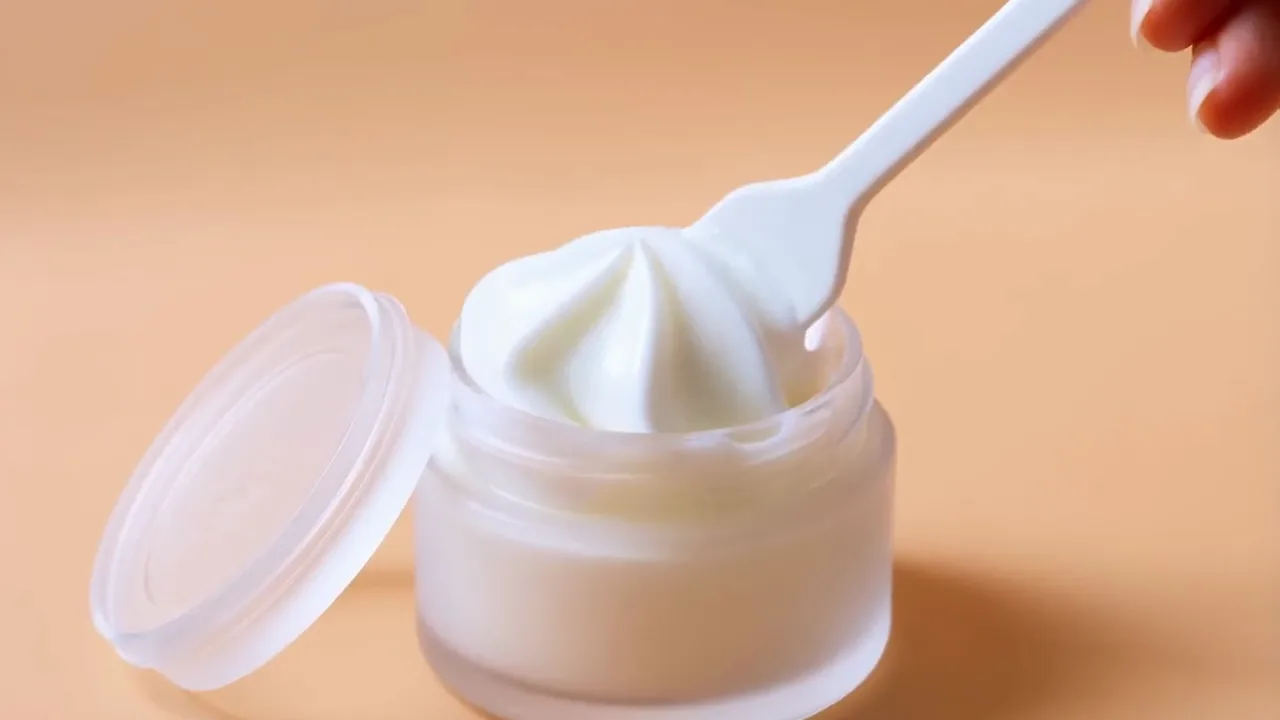
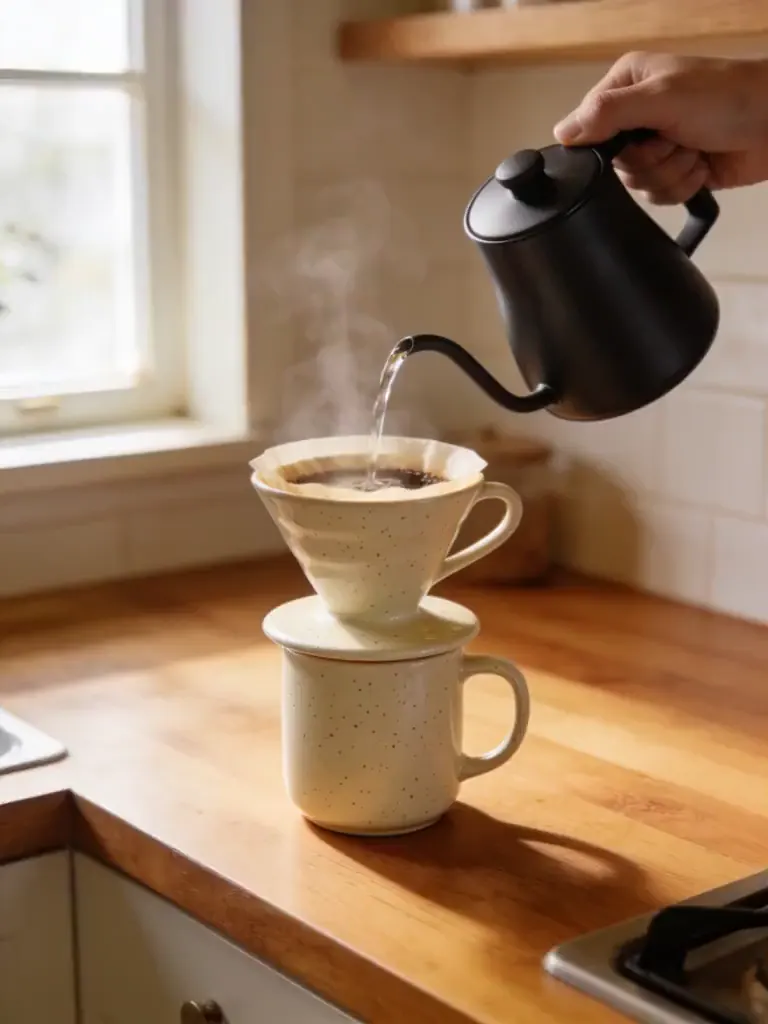
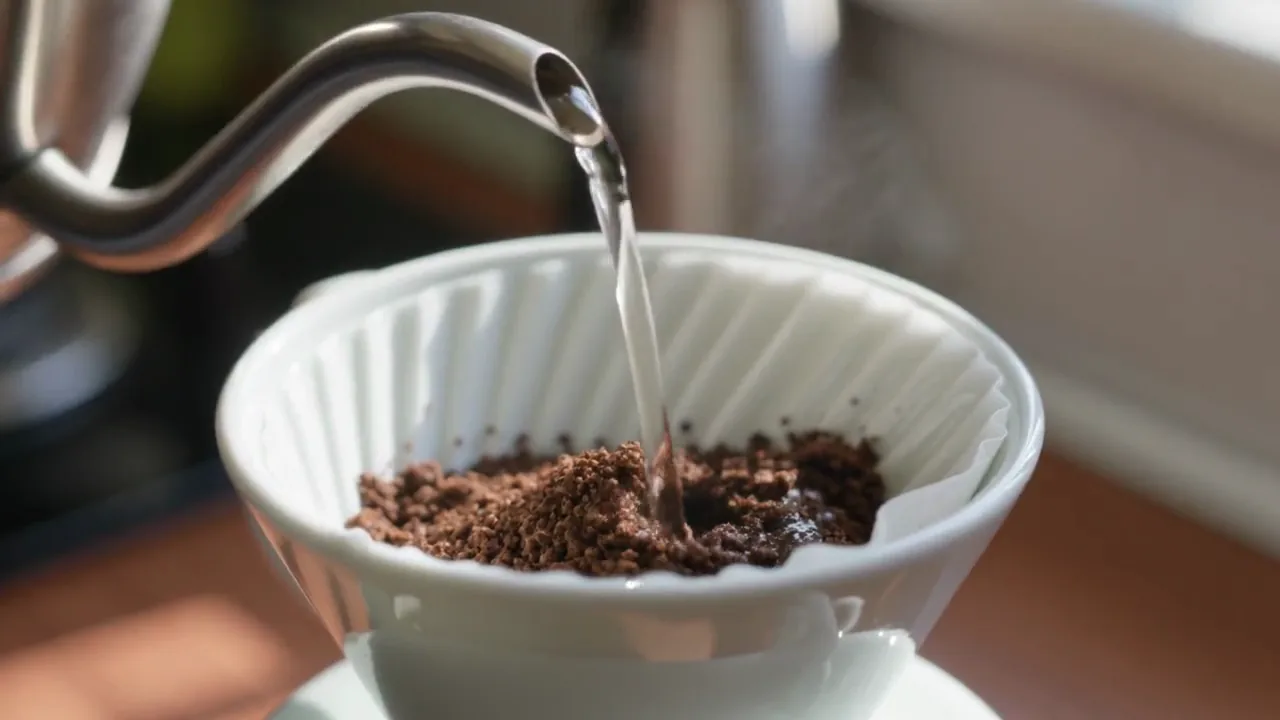
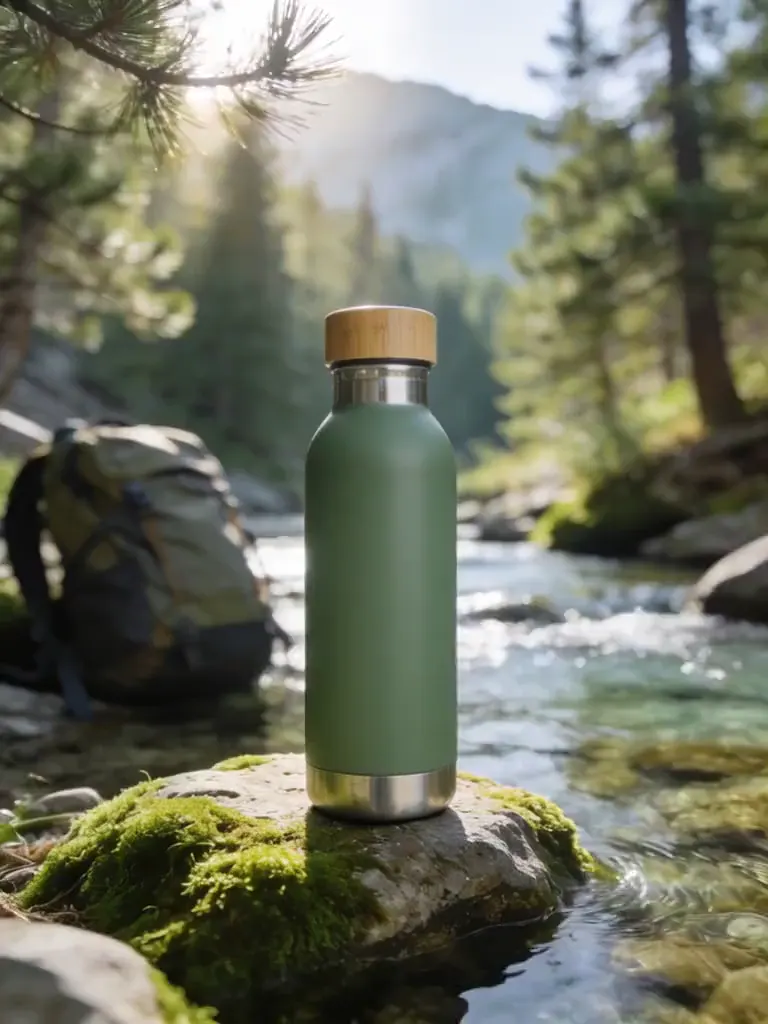
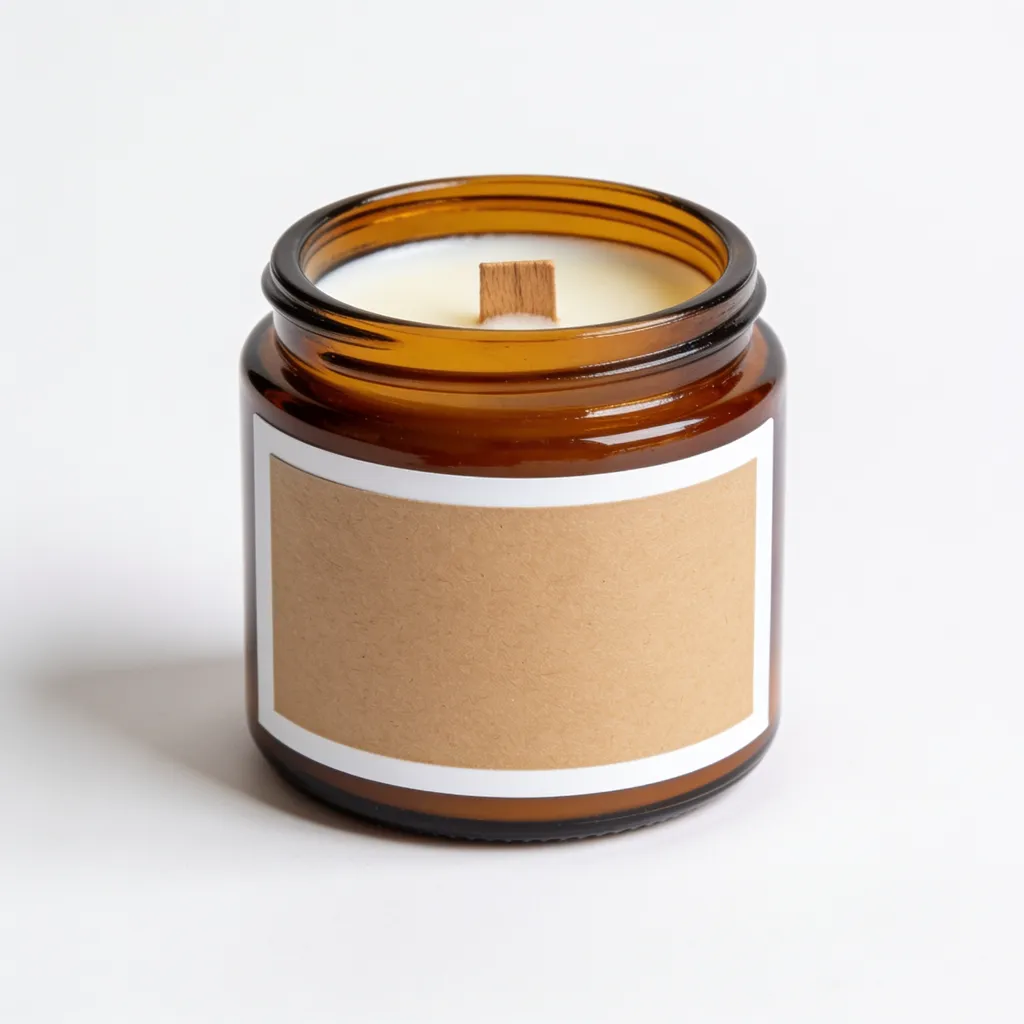
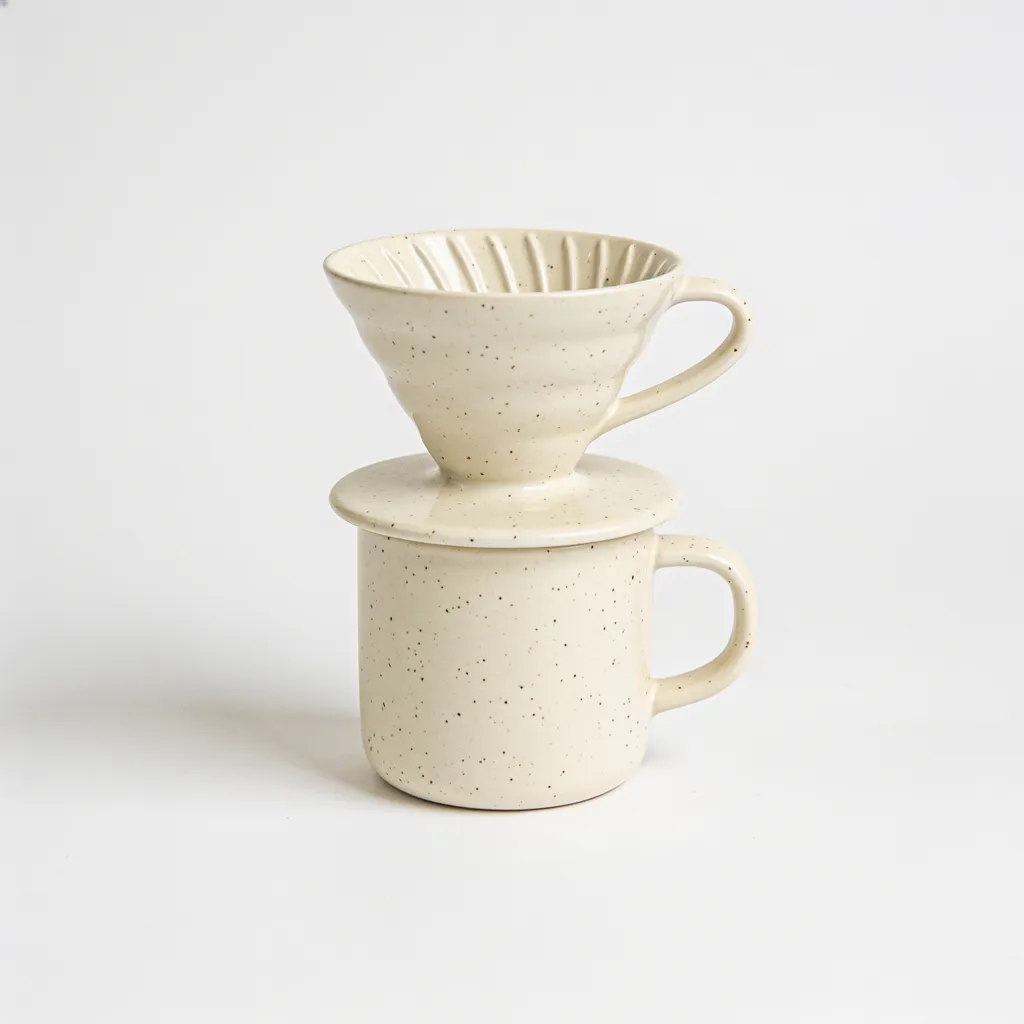
The safest movement is the one that asks the model to invent the least. A slow push-in toward a product that sits still needs almost nothing new; the model only has to keep drawing what is already there, slightly larger. Steam rising from a mug, a curtain stirring behind a chair or a strip of light crossing a bottle are nearly as safe, because they happen around the product rather than to it.
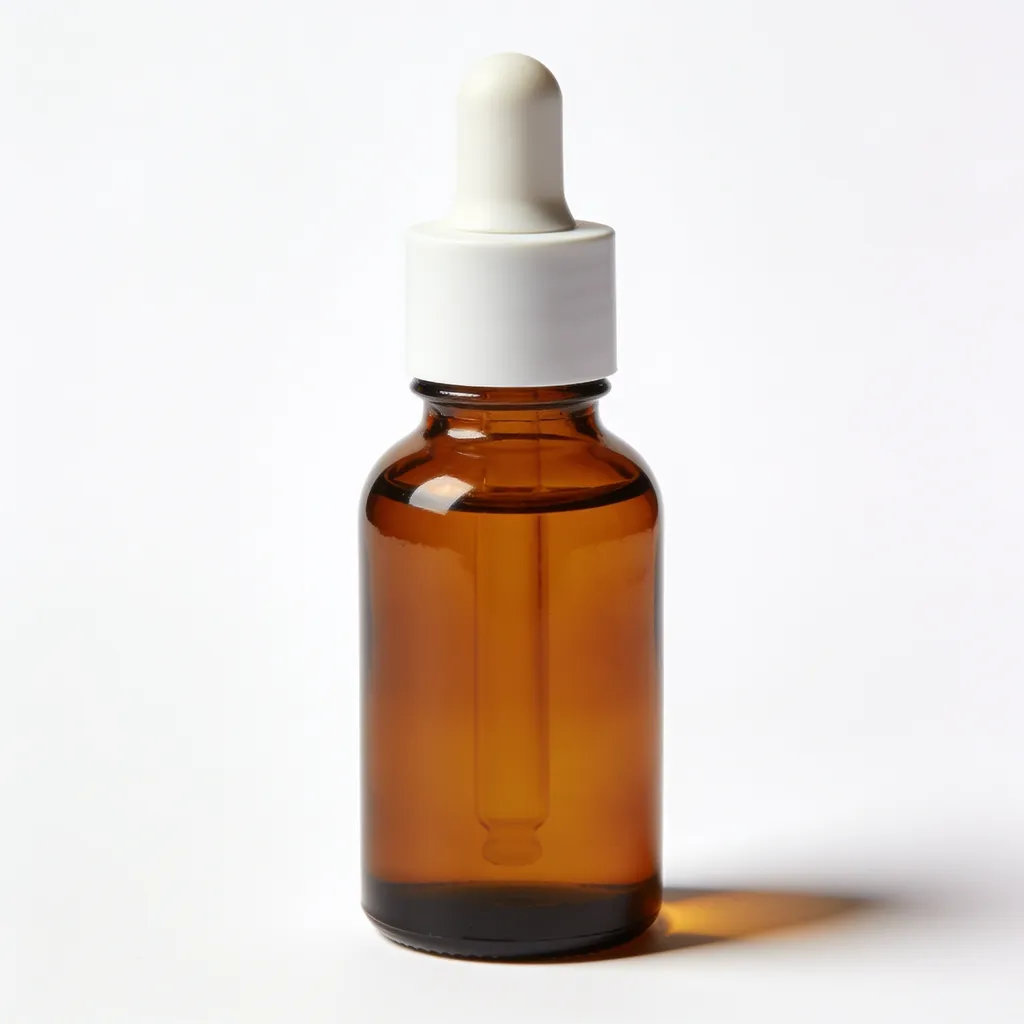
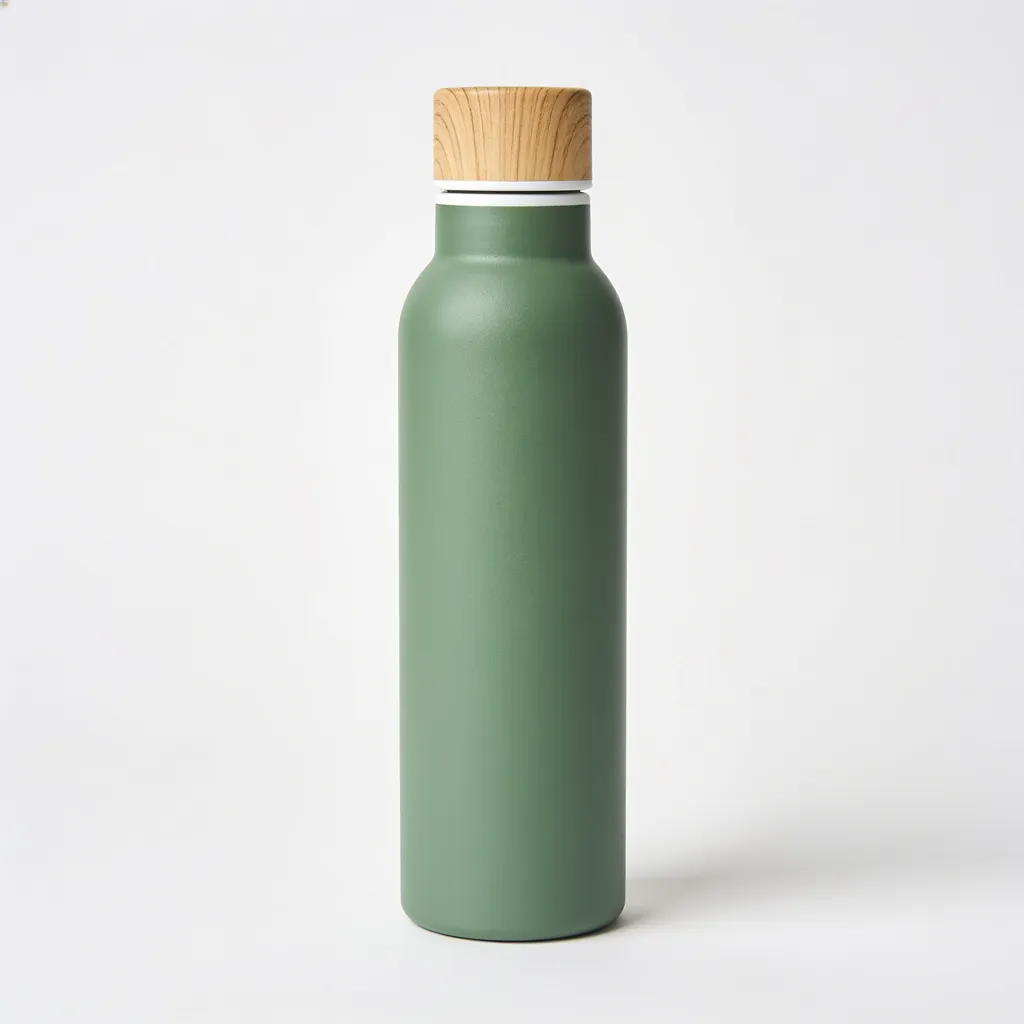
Movement of the product itself is where things go wrong. A bottle that spins on its own has to show sides the photo never saw. A bag that opens has to invent its lining. If the motion you want involves the product turning or changing shape, you are asking for reconstruction, and the model needs photos of the parts it will have to draw.
If you have two real photos of the change, use them as start and end frames. A box photographed closed and then open gives the model both states, so it only has to animate between them rather than guess what the inside looks like. That is far safer than describing the open box in words.