

Wine, spirits and RTD brands
Alcohol brand ad shots: the pour is allowed, the party is not
Alcohol is the oldest restricted category in advertising, and it shows. The rules are not about whether you can run ads at all, because in most markets you can. They are about everything the frame implies: who is drinking, how much, and what the drink supposedly does for them. A beautiful bottle is easy. A compliant story around it is the actual craft.
Build a bottle still from your label photo. You see the plan and the price before anything is generated.
This is a shot map for a wine, spirits or ready-to-drink cocktail label selling to adults: the stills that carry the brand on paid social and your own surfaces, and the tropes that get alcohol ads rejected or accounts flagged. Blurbly builds bottle packshots and table lifestyle frames. It does not make content aimed at minors, and your brief should not either.
Blurbly editorial · · 6 min read
The three objects that carry an alcohol ad
Almost every good alcohol ad is some arrangement of three objects: the bottle, the pour and the set table. The bottle is identity: glass shape, label, closure, the liquid’s colour through the glass. The pour is motion frozen: a stream catching light, a swirl in a glass, condensation on a can. The table is the promise: two glasses set, a meal arriving, evening light.
Notice that none of the three requires a face, a party or anyone actually drinking. That is not an accident. The policies push creative toward exactly this object-led vocabulary, and the brands that lean into it get both approval and better work. The bottle is a better protagonist than a model anyway, because the bottle is what the buyer has to find on a shelf.
What Meta and TikTok actually require
Meta allows alcohol ads with hard conditions: legal-age targeting for the market you run in, compliance with local law, and no content that suggests drinking is linked to social success, athletic performance or personal improvement. TikTok’s alcohol policy is stricter by market, with several countries closed entirely and the rest requiring legal-age targeting and responsible-drinking framing.
The practical filter for every frame and line is the same: does this show or imply intoxication, does it sell alcohol as the cause of confidence or success, does it put the drink anywhere near youth cues like school gear, cartoons or teen-coded settings. If yes, it fails review on Meta, on TikTok, and on most marketplaces. If the ad is just the product, the pour and the table, it usually passes.
The packshot: label first, glass second
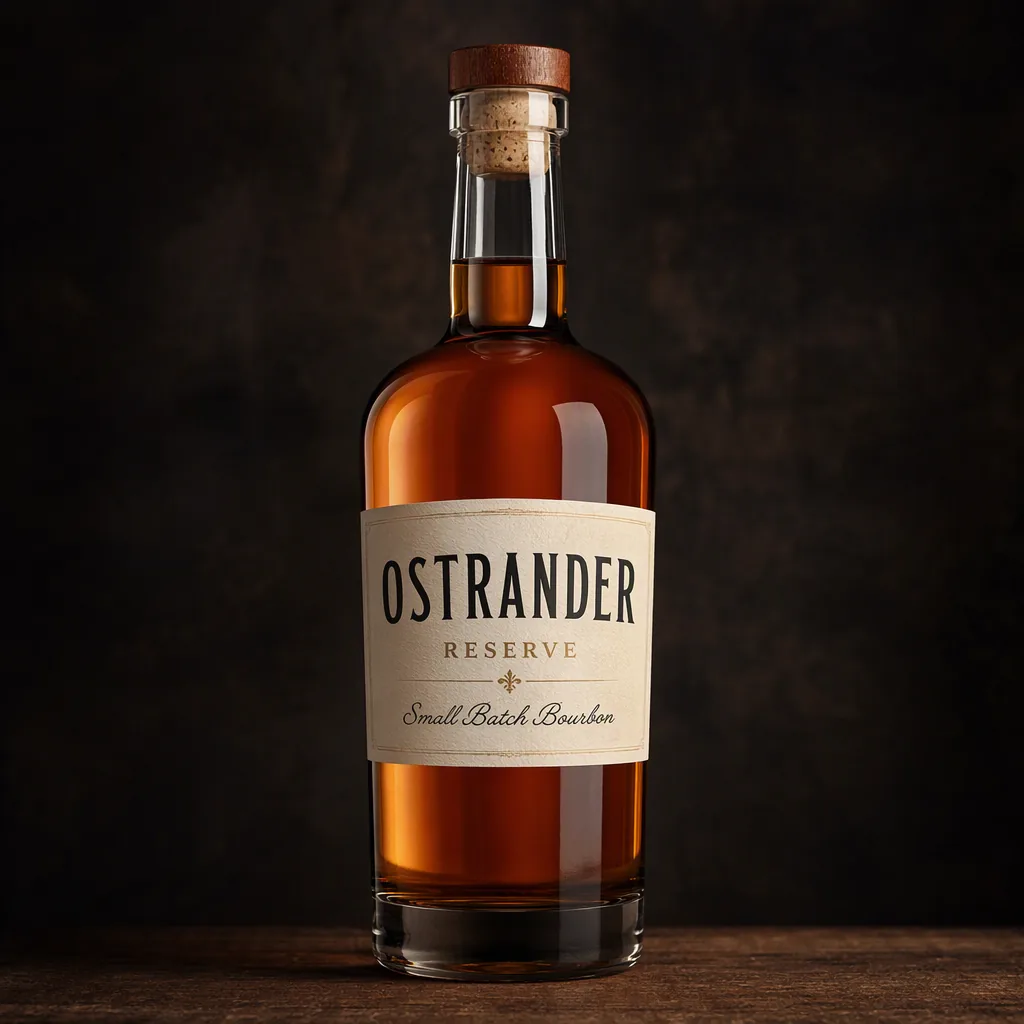
Your main image is the bottle at a three-quarter angle on white or the brand’s dark tone, the label square to camera. Alcohol labels carry regulated text: ABV, volume, origin, government warnings in some markets. Generators redraw small type, so the elegant script on your label can come back as near-right gibberish. Compare every generated label to the real bottle.
For the can or RTD SKU, condensation is the honest special effect. A cold can with real droplets reads as refreshment without a single body in frame. Keep the flavour band readable and line the SKUs up by colour. The alcohol product photos page shows the same set for a fictional bottle and talks through the label-check step.
The pour is your motion budget
If you spend effort on one shot, spend it on the pour. A stream of amber liquid catching a lamp, a gin fizz rising, wine rolling in a glass is the single most alcohol-coded image that stays completely inside every policy. It says craftsmanship, flavour and occasion without a person in sight.
Generated liquid physics are hit and miss, so generate wide and pick the frame where the stream lands in the glass and the label stays sharp. For motion, animate the still rather than inventing a scene: a product photo to video pass on the pour gives you a loop for paid placements and the homepage header from the same approved frame.
Seasonal creative: the gift window is where alcohol sells
Alcohol is one of the most seasonal legal categories: the gift box in November, the summer RTD can, the wedding-season sparkling. Each window wants its own frame, and they are cheap to build from the same bottle photo. The gift shot is the bottle nested in its tube or box with ribbon and a tag; the summer shot is the can in an ice bucket with condensation; the celebration shot is two filled coupes beside the bottle, nobody holding them.
Seasonal also means the moderation-message question lands differently. Many markets expect a responsibility line on alcohol creative, and some platforms quietly reward it in review. A small “enjoy responsibly” in the footer of your own posters costs nothing and makes the brand look like the adult in the category, which it should be.
Age gating and market rules follow the ad, not the brand
Alcohol legality is per market, and the ad has to inherit it. The drinking age differs, some countries ban alcohol ads outright, and TikTok closes several regions entirely. Before you build one creative for everywhere, list the markets you will actually run in and let the strictest one set the frame. A single global image set that works in the most regulated market will work everywhere else.
Your own site carries a parallel duty: most markets expect an age gate or at minimum an adult-audience presentation. Keep the homepage and product pages in the same grown-up register as the ads, dark wood and quiet glassware rather than party imagery, and you never have to explain the mismatch to a payment reviewer or a marketplace.
The distributor and retail side reads the same photography. A bottle shop or a bar manager deciding whether to stock you sees the packshot, the pour and the gift frame long before they taste anything. Buyers in the trade judge the brand by whether the photography looks like it costs margin, so the quiet dark set you build for compliance doubles as your wholesale pitch.
People: hands and company, never the drinking itself
Policies get twitchy about depicted consumption. The safe vocabulary is hands and presence: a hand resting beside a glass, two glasses being set down, a host’s hand on the bottle. It implies the social moment without showing the sip, and it keeps the person anonymous enough that no one reads as underage.
Skip the toast-to-camera, the bar crowd, the club. Not because they always fail, but because they buy nothing and carry all the risk. An adult dinner table set for two sells more wine than a party ever did. If you need a person holding the product for scale, keep them clearly adult, dressed, and secondary to the bottle.
A seven-image set for a bottle brand
One: bottle on white, label square, the listing image. Two: bottle on dark wood with the poured glass beside it, the hero. Three: the pour mid-stream, macro, the paid placement. Four: the table set with two glasses, the lifestyle. Five: the RTD cans in a row with condensation, the SKU poster. Six: the bottle in a hand’s grip on a bar, the trade shot. Seven: the gift box with the bottle nested, the seasonal frame.
All seven come from one good photo of the bottle and the box. Every frame is legal-age-audience material with no consumption shown. The alcohol ad policy notes list the Meta and TikTok rules with sources, and the ad generator turns the approved stills into the layout variations a campaign actually needs.
Before the set goes anywhere, run one audit on autopilot: bottle in every frame, label legible, no person mid-sip, no scene that could pass for a college party. It takes minutes and it is the same checklist the reviewer runs.
When you resize the set for placements, keep the label in frame and the bottle bigger than feels necessary. Alcohol ads are glanced at, not studied, and a bottle that reads at thumbnail size is the entire job. The ad resizer rebuilds each still for the placement ratios so the label survives the crop instead of being amputated by it.