

Sexual wellness and adult product brands
Sex toy brand ads: the object-led creative that survives review
The adult product industry has a marketing problem that is almost never the product. Modern sexual wellness devices are designed objects: matte silicone, soft curves, charging cases that look like skincare. The brands that win treat them that way in the creative, because the moment the frame becomes about bodies or use, every channel with a review process closes.
Build an object-led still from your product photo. You see the plan and the price before anything is generated.
This is a shot map for a sexual wellness or adult product brand selling to adults: how to photograph the product so it can run, where paid traffic realistically exists, and the discipline that keeps an account alive. Blurbly generates product stills and lifestyle frames of the object itself. It does not generate nudity, sexual acts or use imagery, and that boundary is what makes the rest of this article useful.
Blurbly editorial · · 6 min read
Photograph it like a beauty device, because it is one
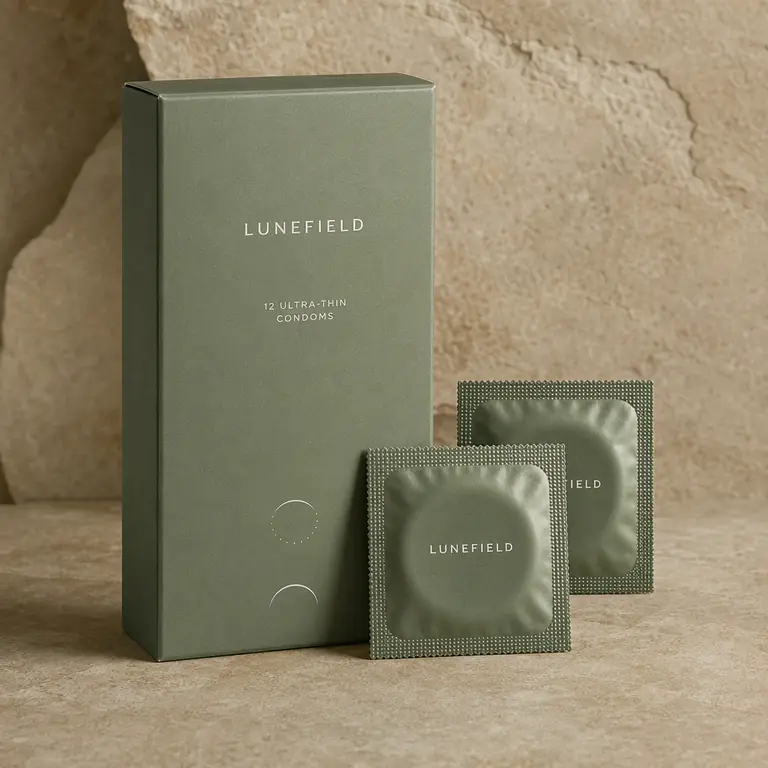
The single most valuable creative decision in this category is genre. A sexual wellness product shot like skincare, stone surfaces, soft light, materials macro, reads as a wellness device and earns the benefit of the doubt. The same product shot with skin contact, a bed or a suggestive angle reads as adult content, and the review systems are not subtle about the difference.
This is not a euphemism trick. The product genuinely is a personal-care device, and the category leaders built brands on exactly that framing: materials, design awards, quiet motors, waterproof ratings, warranty. The buyer is an adult buying a device. Sell them the device.
Where paid traffic actually exists
Meta does not allow ads for adult products and services under its adult content rules, though products for sexual health and pleasure have narrow exceptions that shift over time, so check the current policy text before planning spend. TikTok’s adult content policy bans adult product ads outright in self-serve markets. Treat both as closed for standard campaigns.
The channels that do carry this category: your own store and email, sexual-wellness marketplaces and affiliate publishers, specialty ad networks that exist for restricted verticals, search ads where the engine’s adult policy is narrower than social’s, and organic social with product-led posts. The creative you need is therefore asset-first: images and clips that work everywhere you are allowed to put them.
The shot list: materials, ritual and discretion
One: the device and case on stone or matte backdrop, the listing image. Two: a materials macro of the silicone surface and magnetic contact, the quality story. Three: the product in the charging case on white, the tech SKU shot. Four: the device on a bathroom shelf beside ordinary skincare, the normalization still. Five: the discreet-packaging flat lay with the shipping box, the privacy promise. Six: the product next to its travel lock card or pouch, the portability frame.
None of these has a body part in it, and none needs one. The privacy angle deserves a real frame, because discreet shipping is a top-three purchase anxiety in this category and a cardboard mailer photograph is completely safe everywhere. The sexual wellness product photos set shows the same object-led approach on a fictional product.
Copy that stays in the wellness register
The vocabulary that survives review is the spec sheet and the ritual: waterproof rating, battery life, body-safe silicone, quiet motor, cleaning routine, warranty, discreet billing. The vocabulary that fails is arousal language, partner scenarios, and every joke that puts a use case in the reader’s head. Write the manual, not the fantasy.
Anatomical product naming needs care too. The product’s real name and category term belong on the page where context is clear. On surfaces with automated scanning, keep the words technical: personal massager, wellness device. Never cloak. If a surface’s rules do not fit the product, that surface was never your channel.
The category’s best creative is its packaging and its reviews
Two assets do more work in this niche than any lifestyle shot. First, packaging: the category sells on discreet, design-led boxes that look like perfume or tech, so the unboxing flat lay is both beautiful and safe. Second, the review economy: affiliate publishers and comparison sites carry most of the discovery for adult products, and they want clean product images for their tables and roundups. A brand that can hand a reviewer a white-background render the same day gets placed.
Build for that economy deliberately. Keep a press kit of the object shots, white background, three-quarter, scale-in-hand, packaging open and closed, ready to send. Every affiliate placement, gift guide and newsletter slot is a channel that does not read the platform rulebook, and it is where buyers in this category actually decide.
Selling to markets with different rules
The product’s legality and ad eligibility vary more than almost any other category: some markets restrict sale, others restrict advertising, others restrict both to licensed sellers. Your shipping policy and your creative should be market-aware in the same pass. If a region cannot be shipped to, it should not see the ad either, and a single global creative set keeps that simple.
The safe shared version is the object-led one from this article. It clears US review, conservative markets and your own site at once. The hotter a market’s norms run, the more you can relax the styling on your own pages, but you never need the relaxed version to sell the device.
One more practical note on imagery budgets: in this category the photography you do not make is as strategic as what you do make. A library of two hundred object shots and zero borderline frames means no reviewer, processor or affiliate partner ever sees the version of your brand that costs you the account. Keep the discipline in the brief, not in the review step.
What gets the account flagged
The fast failures: skin contact in the frame, a bed or implied bedroom, the product held against a body part, moaning audio or breath sounds in video, a thumbnail that reads as a body crop, and couples imagery. Each one converts a device ad into adult content for a classifier, correctly.
The slow failure is subtler: clean creative on an account that keeps submitting borderline frames until the reviewer stops giving the benefit of the doubt. Keep a private list of what passed and stay well inside it. If the campaign needs heat, put it in the email welcome flow and the product page, where an adult opted in and no ad reviewer stands between you.
Video in this category is a materials loop
Motion that works: the silicone flexing under a fingertip on the non-contact end, the device settling into its case, water running over the waterproof shell, the travel pouch zip closing. Texture and ritual, ten seconds, no bodies. A product photo to video pass on the approved stills gives you exactly that loop.
Motion that fails: anything handheld in use position, bed settings, two people. If the frame could not run as a still, it will not run as a clip. Review the sexual wellness ad policy notes for the platform text before you brief the set.
The whole category comes down to one habit: brief the object, never the act. Every compliant brand in this niche learned it the expensive way, and every clean creative library starts the day you adopt it on purpose.
A final budgeting note: this niche rewards depth over breadth. Ten exceptional object frames reused across store, email, affiliate kits and packaging outearn a hundred mediocre attempts at mood. Spend the effort on materials and light, and let the product’s own design do the suggestion.
Brands in this space also underestimate how much a return-and-warranty still reassures. A frame of the device beside its warranty card and the discreet mailer answers the three questions every first-time buyer has before they ask support. It is the least glamorous image in the set and quietly one of the best converters.